

Who We Are

Zcop brand assets
Zcop brand assets

The ZCOP Secretariat

The ZCOP Secretariat is a small team who drive and champion the partnership’s climate action, enabling organisations to take urgent steps within their own operations while fostering collaboration. Building on a strong track record of uniting partners, the Secretariat helps accelerate local net-zero projects by harnessing collective expertise, influence, and funding opportunities. 

History of ZCOP

Image of a bus and plants in Oxford by Oxford City Council
January 2019
Climate Emergency

In January 2019, Oxford City Council declared a climate emergency, committing to address climate change at the local level and work towards a zero-carbon future. This declaration set the foundation for collaborative climate action across the city and beyond.

Photo of University of Oxford Blavatnik Building in Oxford by James Wainscoat
October 2019
Citizens’ Assembly on Climate Change

In October 2019, Oxford held a Citizens’ Assembly on Climate Change—the first by a UK city. Fifty residents, randomly selected to reflect the city's diversity, explored how to achieve net-zero carbon emissions through expert presentations and discussions.

Following the Assembly, Oxford City Council committed to bold action, including launching the Zero Carbon Oxford Partnership (ZCOP)—a collaboration of major organisations working towards a net-zero future.

Panoramic aerial view of Oxford in a beautiful summer day, England, United Kingdom
February 2021
Zero Carbon Oxford Summit & Charter

On 4 February 2021, leaders from 21 major businesses and organisations in Oxford signed the Zero Carbon Oxford Charter at the virtual Zero Carbon Oxford Summit. This marked their commitment to achieving net zero by 2040, the Oxford target. The Summit was an opportunity for representatives to showcase their climate plans and action, facilitate conversation about a collective vision, and establish a formal partnership and collaborative approach to tackling the climate crisis.  

Watch the full Zero Carbon Oxford Summit on YouTube 

Grassy countryside
July 2023
Oxfordshire Net Zero Routemap and Action Plan

The Oxfordshire Net Zero Routemap and Action Plan (ONZRMAP) is the guiding document for decarbonisation efforts at a county level. This report, published by the Future Oxfordshire Partnership in 2023, sets a pathway for the county to achieve net zero by 2050, with intermediate emissions reduction milestones at 2025, 2030, and 2040. ONZRMAP is based on the ‘Oxfordshire Leading the Way’ scenario set out in the Pathways to a Zero Carbon Oxfordshire (PaZCO) report published by the University of Oxford in 2021.

Decarbonisation across the county is informed by the actions set out in the ONZRMAP, including vehicle electrification, retrofit, development of a Local Area Energy Plan and nature-based carbon sequestration.

Image of a bus and plants in Oxford by Samuel Isaacs
March 2025
Zero Carbon Oxfordshire Partnership Expansion

In 2025, following decision from the Steering Group of local authorities, businesses and institutions Partnership became the Zero Carbon Oxfordshire Partnership by expanding to include the entire county. This expansion strengthened cooperation between local authorities, businesses, and other key stakeholders across Oxfordshire, working together towards the goal
The ZCOP framework for collaboration

Zcop brand assets
Zcop brand assets
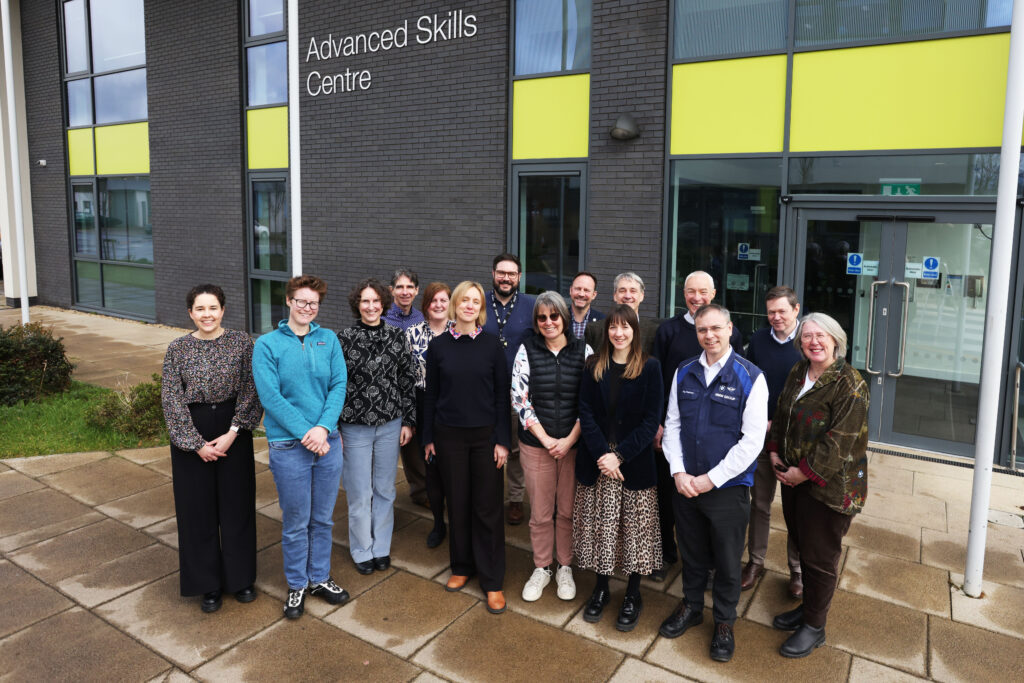
ZCOP Steering Group

Steering Group​

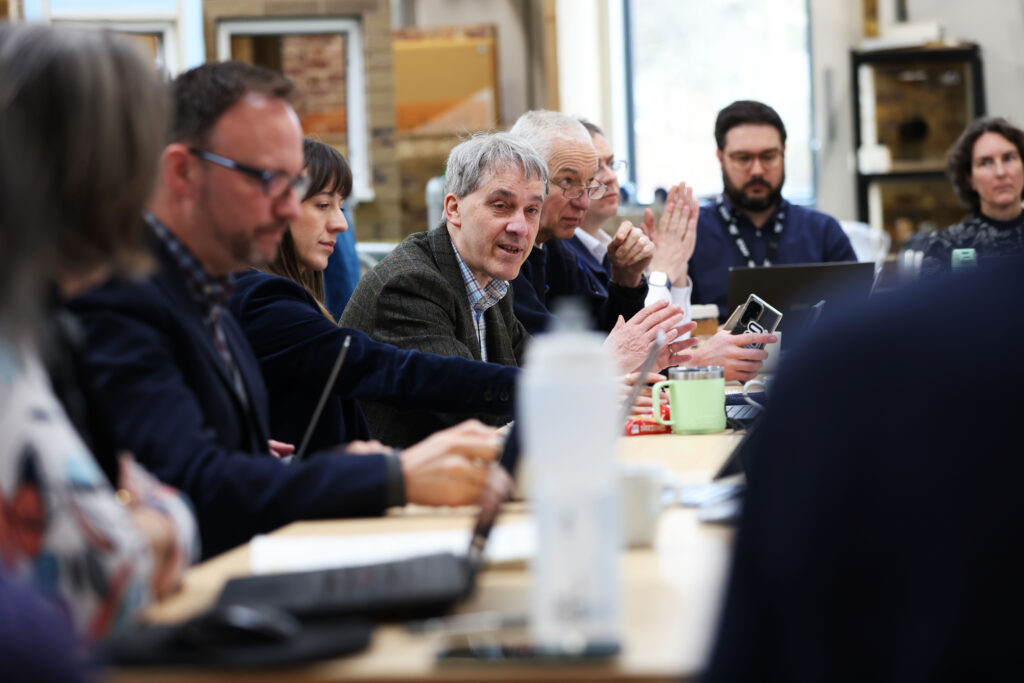
The Zero Carbon Oxfordshire Partnership (ZCOP) Steering Group consists of a subset of partners who play a pivotal role in achieving Oxfordshire’s net-zero target. 


These members are strategically essential to the delivery of the county-wide zero-carbon agenda and are responsible for overseeing the overall commitments of ZCOP.

Membership of the ZCOP Steering Group is by invitation of the Secretariat, ensuring representation across key sectors and skills necessary for achieving a net zero and climate-resilient Oxfordshire. Membership is voluntary, with members serving an initial one-year term and deciding annually whether to continue their participation.

The Steering Group meets quarterly to address the following:

  • Monitor progress on the Zero Carbon Oxfordshire Charter and track emissions against five-year carbon budgets. 
  • Identify priority actions and support Subgroups in developing roadmaps, action plans, and collaborative projects. 
  • Engage with key stakeholders, including the Oxfordshire Local Nature Partnership and Joint Leaders’ Committee, to align efforts. 
  • Champion ZCOP’s work at regional and national levels. 

The ZCOP Steering Group also:

  • Establishes and reviews Subgroups as needed. 
  • Reports on progress to ZCOP members and the wider community. 
  • Ensures adequate resources for partnership administration. 
  • Reviews carbon targets in response to policy, technology, or financial changes. 

Working Groups & Sprint Groups

Working Groups are task‑based subgroups of the Zero Carbon Oxfordshire Partnership created by the Steering Group to address specific work areas over longer periods of time (generally six months or more) and bringing together individuals and organisations with relevant expertise, interest or influence to explore, action and deliver solutions on priority topics for the Partnership.

Each Working Group has a clearly defined purpose and membership approved by the Steering Group. The chair of each Working Group will ensure strong communication, alignment with ZCOP’s net zero objectives and a clear reporting line back to the ZCOP Chair and wider Steering Group.

ZCOP Sprint Groups

Accountability and Governance

Working Groups are accountable to the Steering Group. Their findings and outputs require Steering Group approval before being shared more more widely. The Steering Group will review Working Group progress, be notified if objectives change and may disband a Working Group when its work is completed or no longer required.

Sprint Sub-Groups

Where necessary, Working Groups may establish short-term Sprint Groups to address a specific issue or question within a defined and shorter timeframe. These focused sub-groups undertake concentrated pieces of work and report back to their parent Working Group and/pr the Steering Group for integration into wider outputs.


Past and current Working Groups include:

  • Domestic retrofit  
  • Non-domestic retrofit
  • Sustainable Travel and Commuting 
  • Adaptation
  • Energy Use
  • EV Infrastructure Delivery  
  • Authority Based Insetting
 
Current Sprint Groups include:
  • Future Green Skills
  • Community Action Plan Zero (CAP-0)
  • Local Offsetting