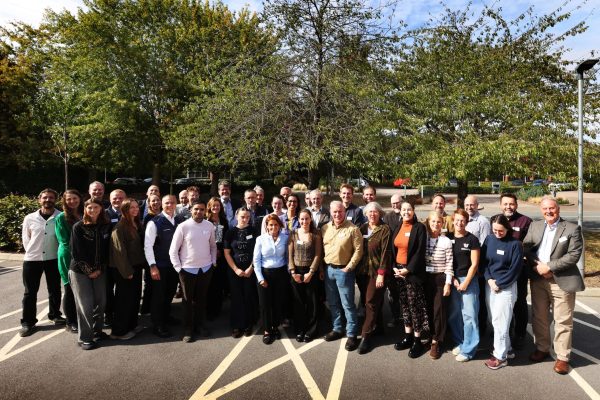
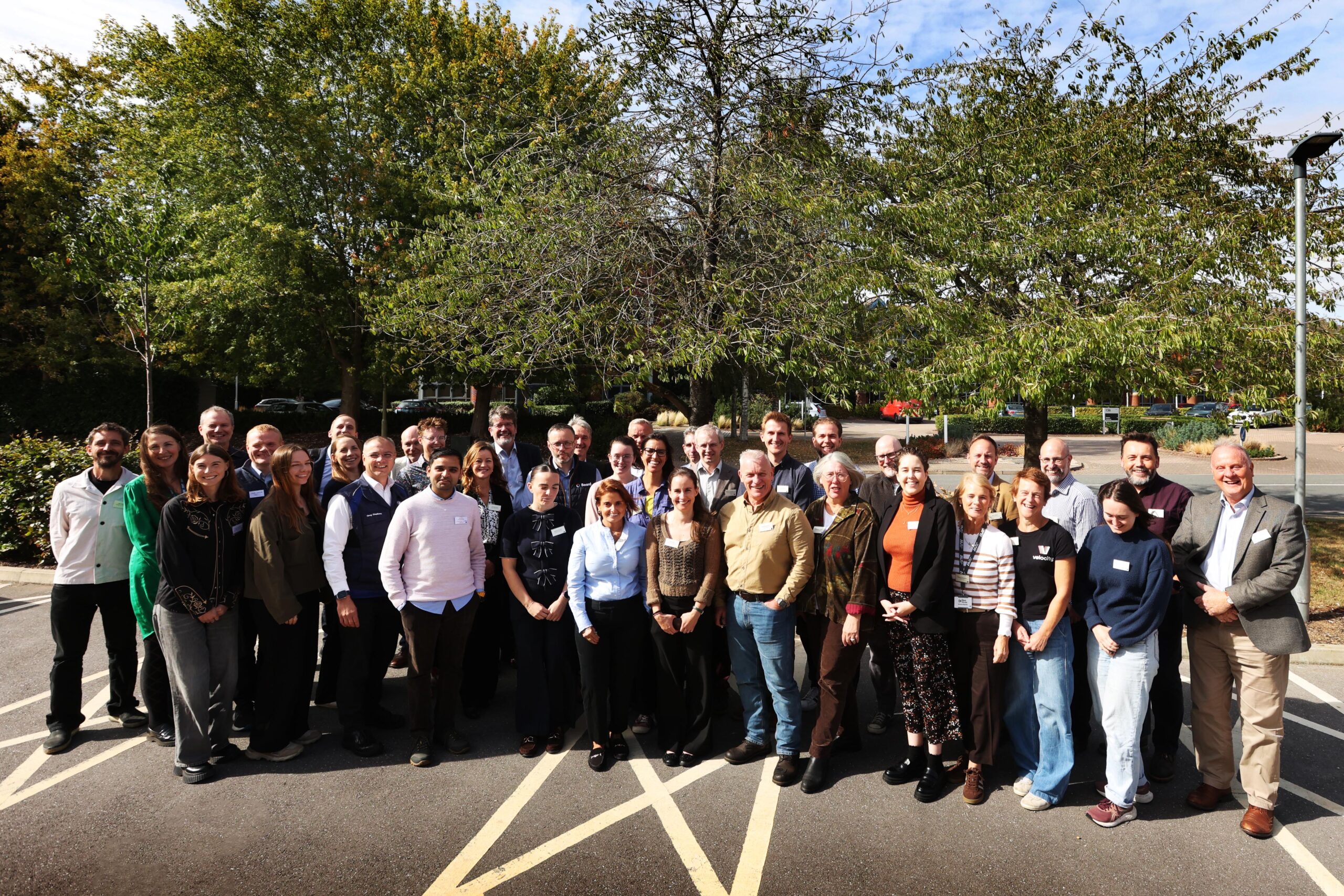
The Zero Carbon Oxfordshire Partnership (ZCOP) welcomed partners from across the county to its second Annual Meeting at Milton Park on 24 September, bringing together representatives from local government, businesses, educational institutions, charities, community organisations and sustainability professionals to explore how collaboration can help accelerate climate action across Oxfordshire.
With 28 organisations represented and 38 attendees taking part throughout the day, the event focused on a simple but important theme: Making Collaboration Count. The programme was designed to move beyond discussion and help partners identify practical opportunities to work together on the challenges that no single organisation can solve alone.
Setting the Scene
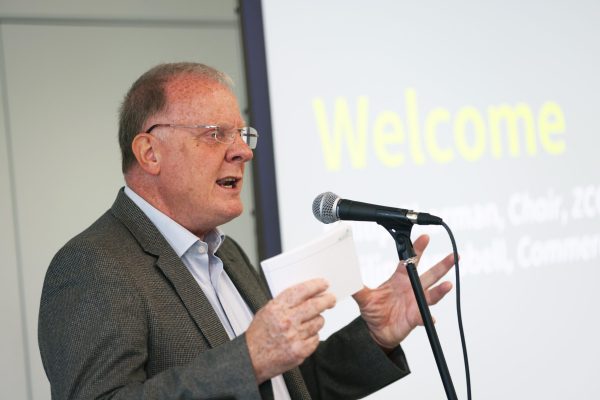
The day opened with remarks from Philip Sharman, Chair of ZCOP, and a welcome from Veronica Reynolds and Philip Campbell at Milton Park. The Chair reflected on the strength of the partnership’s diverse membership and the value that comes from bringing together organisations with different perspectives, expertise and influence. The Annual Meeting also provided an opportunity to welcome a number of new members who have joined the partnership over the past year.
Rather than focusing primarily on reporting past activity, this year’s meeting was designed around collaboration itself. Attendees were encouraged to think about what they need help with, what expertise they can offer others, and where collective action could make the greatest impact.
Perspectives on Collaboration
The morning featured keynote contributions exploring the role of collaboration in tackling complex sustainability challenges.
Professor Mercedes Maroto-Valer OBE, Robert Buchan Chair in Sustainable Energy Engineering and Director of the Research Centre for Carbon Solutions at Heriot-Watt University, shared perspectives on leadership, sustainability and driving change through partnership working.
Participants also heard from Mr Liam Weeks, Principal Programme Officer at the London Anchor Institutions’ Network (LAIN), who provided insights into how organisations can work together at scale to achieve shared objectives and create wider community impact.
The morning also included reflections from Bart Ashton, ZCOP Manager, on partnership progress over the past year, achievements to date and some of the key barriers and challenges still facing Oxfordshire’s net zero transition.
Collaboration in Practice
A key part of the event was an interactive workshop focused on real-world challenges submitted by ZCOP members ahead of the meeting.
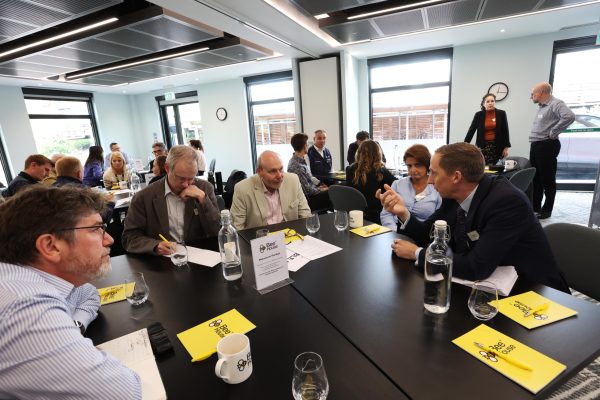
Working in small groups, attendees explored how collaboration can help unlock progress, identifying who needs to be involved, what barriers are preventing action and what practical next steps could be taken. Rather than concentrating solely on technical solutions, discussions focused on the process of collaboration itself and how organisations can work more effectively together.
Several common themes emerged from the discussions, including:
- Bringing together the right mix of people, perspectives and decision-makers.
- Being clear about shared goals and incentives.
- Creating space for new ideas and different viewpoints.
- Building strong relationships and constructively managing conflict.
- Ensuring collaboration is accessible and inclusive.
- Being pragmatic and willing to compromise when needed.
Participants also highlighted the value of collaboration in reducing duplicated effort, sharing learning, improving access to data and evidence, and developing stronger business cases for climate action.
Learning from Oxfordshire’s Climate Leaders
The afternoon programme explored both the scale of the challenge ahead and examples of collaboration already delivering results.
Professor Nick Eyre, Emeritus Professor of Energy and Climate Policy and former Chair of ZCOP, shared his thoughts on Oxfordshire’s role in the wider net zero transition and the opportunities and challenges facing the county.
Attendees also heard from Dr Mike Colechin, founder of Cultivate and Heuristic, who discussed the role of collaboration in solving large-scale transition challenges and highlighted practical approaches for working across organisational and sector boundaries.
The session was followed by a series of ZCOP case studies showcasing examples of collaboration already taking place across Oxfordshire, helping participants identify lessons that could be applied to future initiatives.
Shaping Future Priorities
The final interactive session invited participants to identify where they would most like to contribute their expertise, networks and resources over the coming year.
The strongest interest emerged in:
- Building Decarbonisation
- Nature and Carbon
- Urban Oxfordshire Heat Conference
Participants also expressed interest in supporting future work around future skills pathways, strengthening the collective voice of ZCOP, developing cleaner and future-ready transport systems, and exploring approaches to financing the transition.
The exercise provided valuable insight into where members are most keen to collaborate and where future partnership activity can be focused to maximise impact.
Building Connections
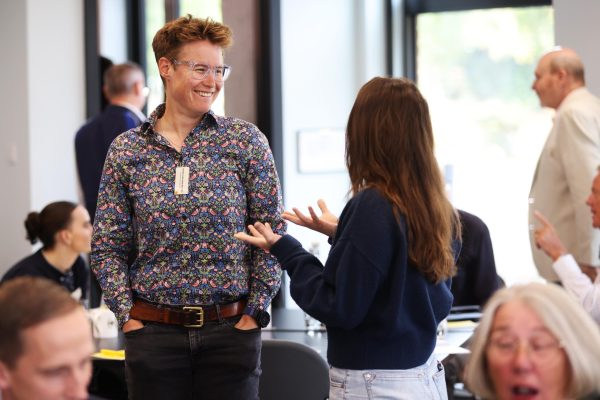
Networking remained at the heart of the Annual Meeting, with attendees highlighting the opportunity to meet new people and strengthen existing relationships as one of the most valuable aspects of the day. With nine new member organisations represented, the event created opportunities for fresh connections and new collaborations to emerge.
Hosted at Milton Park, the event benefited from modern facilities, strong transport links and excellent support from the venue team. Participants also praised the all-vegan catering, which received particularly positive feedback.
Looking Ahead
The Annual Meeting reinforced a clear message: Oxfordshire’s climate challenges require collaboration across sectors, organisations and disciplines. The enthusiasm shown throughout the day, combined with the strong level of interest in future priority areas, provides a strong foundation for the partnership’s next phase of work.
As ZCOP continues to connect organisations, share knowledge and develop joint initiatives, the conversations and commitments emerging from this year’s Annual Meeting will help shape future working groups, projects and opportunities for collective action.
We would like to thank all of our speakers, participants, partners and Milton Park for helping make the event such a success, and we look forward to continuing to work together towards a zero-carbon Oxfordshire.